
Sometimes the best safety topics come directly from conversations in the field.
During a recent site visit, Safety Made Simple partner and safety professional Joe Mlynek was auditing bin-entry permits at a grain facility when the conversation turned to portable electrical equipment used inside grain bins. Joe asked the facility manager about his understanding of electrical classifications for combustible dust and how employees determined whether equipment was appropriate for those environments.
The manager admitted that he wasn’t familiar with the classifications.
Joe briefly explained Class II hazardous locations and how to identify properly rated electrical equipment. The conversation highlighted an important educational opportunity for the grain industry: if one experienced facility professional isn’t familiar with these classifications, chances are others could benefit from additional awareness as well.
Grain elevators, feed mills, flour mills, biofuel facilities, and other agricultural processing operations routinely manage combustible dust hazards. Yet employees may not understand that the electrical equipment they bring into these environments can potentially become an ignition source.
Understanding the basics of hazardous electrical locations is another important component of preventing combustible dust fires and explosions.
What Is a Hazardous Electrical Location?
A hazardous location is an area where the potential for fire or explosion exists because of flammable gases, vapors, liquids, combustible dusts, or ignitable fibers.
Electrical equipment can become an ignition source through sparks, arcs, or hot surfaces. That makes selecting and installing appropriate equipment particularly important anywhere a combustible atmosphere could develop.
For grain and milling operations, Class II hazardous locations are especially important because this classification addresses environments where combustible dust may be present.
Grain and flour dust fall within Class II, Group G.
Employees don’t need to become electrical engineers to work safely, but they should understand why these classifications exist, recognize that not all electrical equipment is appropriate for every environment, and know when to involve a qualified professional.
Related SMS Course: Housekeeping & Combustible Dust
Class II, Division 1: Dust May Be Present During Normal Operations
Class II hazardous locations are further categorized as Division 1 or Division 2 based on how combustible dust may be present within the environment.
A Class II, Division 1 location is an area where combustible dust may be suspended in the air during normal operating conditions in quantities capable of producing an explosive or ignitable mixture.
The classification can also apply where equipment malfunction or abnormal operation could create an explosive or ignitable dust mixture and simultaneously provide an ignition source.
Consider the gallery floor of a grain elevator using open conveyance. If normal operations can place sufficient combustible grain dust into suspension, the electrical equipment installed or used within that environment must be appropriate for the hazard.
This is why controlling combustible dust isn’t simply a housekeeping issue. Dust accumulation, ignition sources, equipment selection, maintenance, and work practices are all interconnected.
Class II, Division 2: The Hazard Is Still Present
A Class II, Division 2 location is different.
Under normal conditions, combustible dust isn’t expected to remain suspended in sufficient quantities to create an explosive or ignitable mixture. Dust accumulations also normally shouldn’t interfere with electrical equipment.
That doesn’t mean there is no hazard.
An equipment malfunction or abnormal operating condition could release combustible dust into the atmosphere. Dust may also accumulate on or around electrical equipment, interfering with heat dissipation or creating material that could ignite if the equipment malfunctions.
That’s an important distinction for employees to understand: A location doesn’t have to look dusty at this moment for combustible dust requirements to matter.
What Makes Electrical Equipment Appropriate for These Areas?
Electrical equipment used in Class II locations must be appropriate for the classification of the environment.
One protection technique is dust ignition-proof equipment.
This equipment is designed to prevent combustible dust from entering an electrical enclosure and to prevent heat, arcs, or sparks generated within the equipment from igniting dust outside the enclosure. Depending on the application, this can involve features such as threaded conduit and dust-tight seals.
Another protection technique is intrinsic safety, commonly abbreviated as IS. Intrinsically safe equipment is designed so the electrical energy available is insufficient to ignite the hazardous atmosphere.
Equipment approved for a Class II, Division 1 location can also be suitable for a Division 2 location when appropriately classified for the specific hazard.
Class II, Division 2 locations may also use other techniques, including dust-tight enclosures and pressurization systems designed to prevent hazardous dust from entering an enclosure or area.
The important takeaway isn’t that every employee needs to memorize each protection method. Employees need to understand that ordinary electrical equipment should not automatically be assumed safe for use in a combustible dust environment.
Check the Equipment Before You Use It
Portable equipment deserves particular attention. Consider the tools and equipment that may be taken into or around grain bins and other hazardous areas. Employees may assume that because a tool is portable, heavy-duty, industrial, or designed for outdoor use, it is safe to use anywhere.
That’s not necessarily the case. To determine whether electrical equipment is certified for a particular hazardous environment, examine its nameplate or equipment markings.
Look for certification from a recognized testing laboratory and information identifying the applicable:
- Class
- Division
- Group
- Temperature code
These markings help determine whether equipment has been evaluated for the environment where it will be used.
This applies to both fixed and portable electrical equipment.
If an employee doesn’t know whether a piece of equipment is appropriate for the location, the answer shouldn’t be a guess. Work should stop until the equipment can be evaluated by a qualified person.
Related SMS Course: Basic Electrical Safety
Bin Entry Adds Another Layer of Risk
Joe’s initial conversation occurred during a review of bin-entry permits, illustrating why hazard recognition can’t occur in isolation.
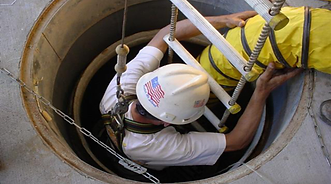
Entering a grain bin can expose employees to multiple hazards simultaneously, including engulfment, mechanical equipment, hazardous atmospheres, falls, combustible dust, and electrical hazards.
An entry procedure that addresses engulfment but overlooks electrical equipment still leaves an important gap.
Before work begins, employers should consider the complete scope of the task:
- What equipment will employees bring into the space?
- Is it appropriate for the electrical classification?
- Has applicable equipment been de-energized and locked out?
- Could the work disturb accumulated dust?
- Could the task introduce another ignition source?
- Have atmospheric and other confined-space hazards been evaluated?
A comprehensive approach to bin-entry safety considers the interaction between hazards rather than treating each one independently.
Related SMS Courses: Confined Space Entry and Lockout/Tagout
Proper Hazard Classification
Employees should understand hazardous locations, but determining those classifications isn’t something an unqualified employee or supervisor should attempt on their own.
The first step is ensuring that a qualified electrical professional, following applicable OSHA requirements and National Electrical Code provisions, has properly classified the hazardous locations within the facility.
From there, employers can verify that fixed electrical installations and portable equipment meet the requirements established for those areas.
Once the appropriate systems are in place, employee training becomes critical.
Workers should know:
- Where hazardous locations exist within the facility
- Why those locations have been classified
- How combustible dust can contribute to a fire or explosion
- Why electrical equipment can become an ignition source
- How to identify appropriately marked equipment
- When to stop work and ask for assistance
A written program or facility map doesn’t prevent an incident if the employee performing the work doesn’t understand what the classification means.
Combustible Dust Safety Is Everyone’s Responsibility
The conversation during Joe’s facility audit was valuable because the manager was willing to ask questions and better understand the hazard.
That’s exactly what a strong safety culture should encourage.
No one can reasonably be expected to know every safety regulation, electrical standard, or technical classification from memory. What matters is recognizing when knowledge is missing and getting the right people involved before work proceeds.
For grain facilities, understanding Class II hazardous locations is one relatively simple step that can help prevent a devastating combustible dust fire or explosion.
Facilities should ensure hazardous areas are properly classified, verify that fixed and portable electrical equipment is appropriate for those locations, and train employees to recognize both combustible dust and electrical hazards. Employees should also have the authority to stop and ask questions when something doesn’t look right.
As Joe frequently emphasizes through Safety Made Simple, safety doesn’t have to be difficult. Simple steps, such as understanding Class II electrical locations and checking equipment before use, can prevent incidents and save lives.