
Why Agriculture Needs LMS Technology

In today’s agricultural industry, safety training is no longer something that can live in a filing cabinet or rely solely on sign-in sheets and handwritten records. Operations are larger, teams are more distributed, and compliance expectations continue to increase.

At Safety Made Simple (SMS), we believe training should be simple, efficient, and effective. Absolutely not a burden on an already busy operation. That’s why learning management systems (LMS) have become such a critical part of modern agricultural safety programs. As outlined by SMS subject matter expert Joe Mlynek in a recent Grain Journal article, LMS technology is helping organizations deliver, manage, track, and improve safety training like never before.

The Difference Between “Having Training” and Proving It

Imagine two scenarios.

In the first, a facility experiences a serious workplace injury that triggers an OSHA inspection. When the compliance officer asks for employee training records, the manager digs through folders, spreadsheets, and sign-in sheets trying to prove training occurred. Valuable time is lost, and documentation gaps become immediately visible.

In the second scenario, the organization uses a learning management system like Safety Made Simple. Within minutes, the manager pulls up detailed training histories showing onboarding completion, course participation, test scores, and safety documentation for the employee involved.

That difference matters.

A strong LMS doesn’t just deliver training, it creates visibility, accountability, and documentation that supports compliance and operational consistency.

Why LMS Platforms Matter in Agriculture

Agriculture presents unique challenges:

  • Multiple facility locations
  • Seasonal employees and temporary labor
  • Diverse operational hazards
  • High turnover in some positions
  • Regulatory requirements spanning multiple operational areas
  • Language barriers

Traditional classroom-only training models often struggle to keep pace.

Safety Made Simple was designed specifically for agriculture, helping organizations in:

  • Grain handling
  • Agronomy
  • Feed manufacturing
  • Livestock production (cattle, swine, poultry)
  • Commercial farming
  • Biofuels and processing
  • Agricultural service operations

deliver consistent safety education across their workforce in various language options.

More Than Just Content

A modern LMS should do far more than host content. According to Joe Mlynek’s article, effective LMS systems provide:

  • Training tracking and reporting
  • Custom learning paths
  • Automated enrollments
  • Performance monitoring
  • Course authoring tools
  • Third-party training documentation
  • Compliance support and reporting

Safety Made Simple’s platform was built around these same principles.

Our solutions allow organizations to:

  • Assign custom onboarding pathways
  • Track OSHA-related training completion
  • Build custom courses using existing company materials
  • Generate reports by employee, department, or location
  • Deploy monthly safety training efficiently
  • Deliver training in both English and Spanish

Because safety training should work for your operation, not force your operation to work around the training.

Flexible Delivery Options

Not every company needs the same solution. That’s why SMS offers multiple deployment options:

  • Branded Portals for organizations wanting a fully customized training experience
  • Value Portals for simplified LMS access and administration
  • Content Only Solutions for companies already using an LMS but needing agriculture-specific, SCORM-compliant content
  • Instructor-Led Courses deliver subject matter experts to your door for group trainings that require extended discussion and comprehension.

This flexibility allows organizations to scale their training while maintaining consistency across facilities.

Custom Content and Learning Journeys

One of the most powerful advantages of modern LMS systems is the ability to tailor training to operational realities. Many systems now allow organizations to create custom courses using PowerPoints, videos, quizzes, and acknowledgements.

Safety Made Simple supports this through:

  • Course Builder tools
  • Learning Journeys
  • Custom onboarding pathways
  • Site-specific training modules

Whether you’re onboarding seasonal harvest help, training feed mill operators, or deploying a custom tarping safety procedure, the platform can support your operation’s needs.

Integration Matters

Operations today rely on multiple systems to manage business processes. Training should not exist in isolation.

Joe’s article highlights how technologies such as APIs, webhooks, and single sign-on (SSO) allow LMS platforms to integrate with:

  • HR systems
  • Safety management systems
  • Payroll platforms
  • Compliance tracking tools

Safety Made Simple continues to expand integration capabilities to help organizations simplify administration while improving visibility and access across departments.

Built for Agriculture. Backed by Experience.

What separates Safety Made Simple from other training providers is our focus on agriculture.

Our content is developed by experienced safety professionals who understand:

  • Grain handling hazards
  • Pesticide application hazards
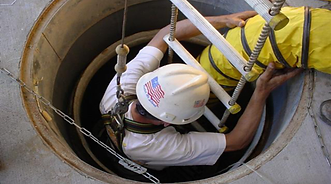
  • Confined space risks
  • Agricultural transportation
  • Feed and processing operations
  • Dust explosion prevention
  • Seasonal workforce challenges

This is not generic corporate training repurposed for agriculture. It is industry-specific education designed to support real-world agricultural operations. Further, coursework is identified through voice of customer and constantly evolving with monthly releases.

The Goal Is Simple

Safety training should not be difficult. Simple steps that are delivered consistently, tracked effectively, and reinforced regularly can prevent injuries and save lives.

At Safety Made Simple, our mission remains: Sending people home safely.

Learn more about SMS training solutions, LMS platforms, and agriculture-specific safety content by scheduling a demo customized to your operation.
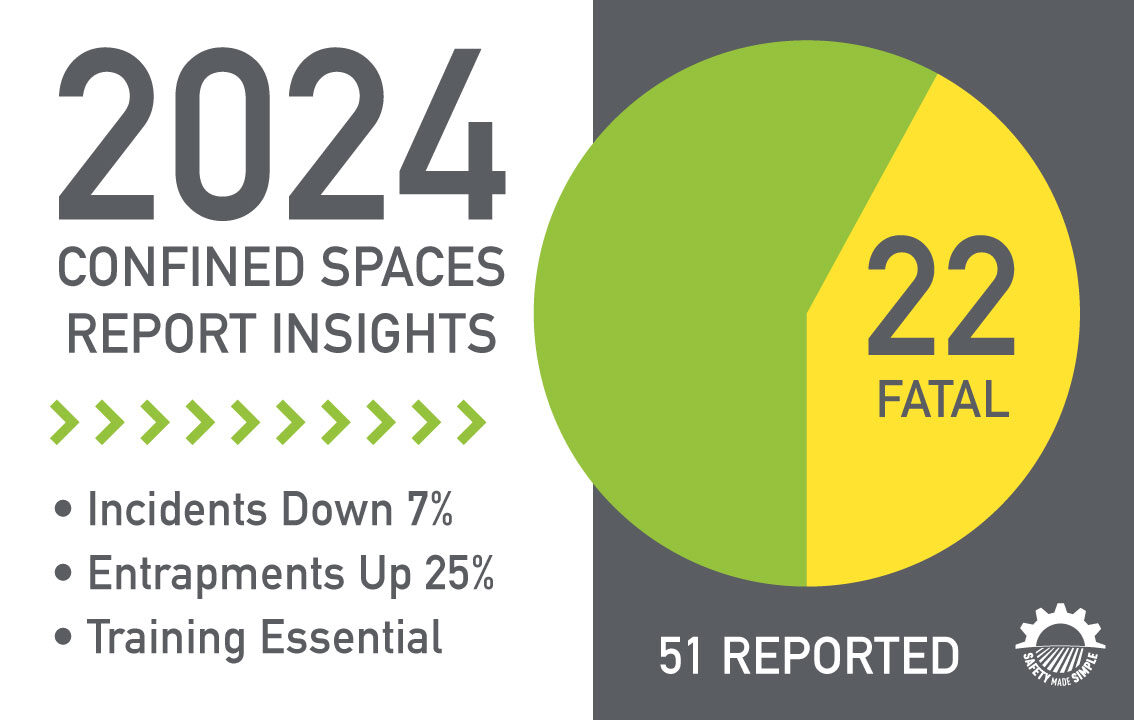
2024 U.S. Confined Space Report Insights

The 2024 U.S. Agricultural Confined Space-related Injuries and Fatalities Report from Purdue University highlights the persistent dangers faced by workers in agricultural confined spaces. With a total of 2,429 documented cases to date, nearly 60% of which have been fatal, the need for heightened safety measures and awareness remains critical across the industry.

Key Findings

24 Confined Space Report from Purdue University

This year’s summary reveals several important statistics and trends:

  • 51 confined space-related incidents were recorded in 2024, marking a 7% decrease from 2023, but still highlighting significant safety concerns.
  • 34 grain-related entrapments, representing a 25% increase from 2023, continue to be the leading cause of incidents.
  • There were three fatalities in livestock waste storage pits or lagoons, and four fatalities linked to vertical and tower forage silo incidents.
  • Nine additional grain dust explosions occurred, thankfully without fatalities, but underscoring the potential risks in grain handling environments.
  • 22 fatalities were reported in 2024, which represents 43% of the total incidents—lower than the historical average of 58%.
  • OSHA Regions 5 and 7 historically account for about 68% of documented confined space-related incidents.

In addition, the report notes a continued focus on emergency responder training, which has shown some improvement but remains somewhat limited in its effectiveness due to the low frequency of these events and the unfortunate reality that many victims pass away before help arrives.

The Ongoing Need for Enhanced Safety Measures

While emergency response training is essential, the report highlights that prevention is the most effective way to reduce the risk of these incidents. The increase in grain entrapments and dust explosions emphasizes the need for proactive safety measures that focus on grain quality and hazard identification.

Preventing Grain Entrapment and Other Incidents

The report stresses that the key to preventing grain entrapment incidents lies in proper grain handling and monitoring during storage. Preventive measures, including maintaining equipment in good condition, regular inspections, and safe work practices, are critical to avoiding hazardous situations. Additionally, it’s essential to provide adequate training to employees and emergency responders, focusing on recognizing hazards early and taking appropriate action.

The Importance of Ongoing Safety Efforts

The 2024 Purdue report serves as a stark reminder of the dangers present in agricultural confined spaces, particularly in grain storage and handling facilities. Despite the improvements in some areas, the overall number of incidents remains a significant concern. The focus must remain on preventive safety measures such as proper maintenance, training, and awareness to reduce the risk of entrapment and other incidents.

At Safety Made Simple, we are committed to supporting agricultural operations with the training and resources needed to protect workers from these life-threatening hazards. Test drive these applicable courses for free:


Learn more about how we can help you implement safer practices and stay compliant with industry standards by contacting us today. Do your part in lowering the occurrences of incidents and accidents in confined spaces.

Understanding Confined Space-Related Injuries and Fatalities

Purdue University’s 2023 report on agricultural confined space-related injuries and fatalities reveals both alarming trends and areas of improvement within the industry. While there has been a notable decrease in the number of incidents compared to previous years, the statistics underscore the ongoing risks associated with confined spaces in agriculture.

Confined space entry report

Key Findings

  • Overall Cases: A total of 55 cases were documented in 2022, which includes 29 fatal and 26 non-fatal incidents. This represents a significant 33.7% decrease from the 83 cases recorded in 2021.
  • Grain Entrapments: The report documented 27 grain-related entrapments in 2022, showing a 35.7% decrease from the previous year. The remaining cases involved livestock waste handling, entanglements, and incidents related to grain dust explosions or fires.
  • Multiple Victims: Three incidents involved multiple victims, highlighting the potential for widespread danger in confined spaces.
  • Gender Representation: The report noted two female cases, including a dairy farm manure pit explosion and a fall from a grain elevator.
  • Geographic Distribution: Illinois reported the highest number of confined space-related cases (12), followed by Iowa (5). Historical data indicates that states like Iowa, Indiana, and Minnesota continue to account for a large percentage of grain entrapment cases.
  • Grain Dust Explosions: There were nine documented grain dust explosions at commercial facilities, resulting in 12 non-fatal injuries. Fortunately, no fatalities were reported in these incidents.
  • Aging Workforce: The average age of victims continues to rise, reflecting the increasing age of farmers in the U.S. In 2022, victims over 60 years old made up 28.6% of the cases where age was known.

Trends and Insights

Since the 1970s, Purdue University’s Agricultural and Biological Engineering Department has diligently documented incidents involving grain storage and handling facilities. This effort expanded in 2013 to include a broader range of agricultural confined space incidents, resulting in a comprehensive database (PACSID) containing 2,378 cases as of the end of 2022.

Despite the positive trend of fewer incidents, the report emphasizes the persistent need for effective safety training and proactive measures to protect workers. The methodology for collecting this data remains consistent, and while the numbers show improvement, the report acknowledges that many incidents, particularly non-fatal cases, may go unreported.

The Cost of Agricultural Confined Space-Related Incidents is Increasing

The economic implications of agricultural confined space incidents have changed significantly over time. In the past, the costs associated with fatalities or injuries were often manageable, covered by family, insurance policies, or local community support. However, with stricter OSHA regulations and increased scrutiny on workplace safety, non-exempt employers now face substantial financial risks. Jurisdictions have highlighted that neglecting employee safety can lead to hefty legal settlements, often reaching $10-17 million in cases involving fatalities or serious injuries, dwarfing OSHA fines that typically range from $50,000 to $100,000.

Valuable Resources for Safety Training

To aid in addressing these challenges, the website http://www.agconfinedspaces.org/ has been developed with support from a U.S. Department of Labor Susan Harwood Grant. This platform provides resources for safety training in agricultural confined spaces, focusing on grain storage and handling hazards. It includes:

  • Training materials and frequently asked questions.
  • Historical summaries of injuries and fatalities.
  • Educational resources aimed at young and beginning workers in the grain industry.

One highlighted program, “Against the Grain,” offers a comprehensive curriculum designed for youth and new employees at grain handling facilities. Since its launch, it has reached over 5,100 young individuals, demonstrating significant knowledge gains.

Additionally, training resources for emergency responders have been developed, with over 5,425 responders participating in these training sessions.

Conclusion

The findings from the 2023 report underscore the importance of focusing not only on reducing the number of incidents but also on strategically enhancing training for first responders. As the agricultural industry continues to evolve, so must our approaches to safety and emergency preparedness.

For a detailed look at the 2022 findings, methodology, and historical trends, please refer to the full report here.

Environmental Risks in Confined Spaces

In the realm of agricultural safety, understanding environmental risks in confined spaces is crucial. These hazardous environments present unique risks that demand awareness and proper safety protocols.

Why Focus on Agricultural Confined Spaces?

Agricultural confined spaces are essential for storing and handling crops. They pose serious risks to those who work in and around them. From engulfment hazards to toxic gases, these environments require careful management and adherence to safety guidelines.

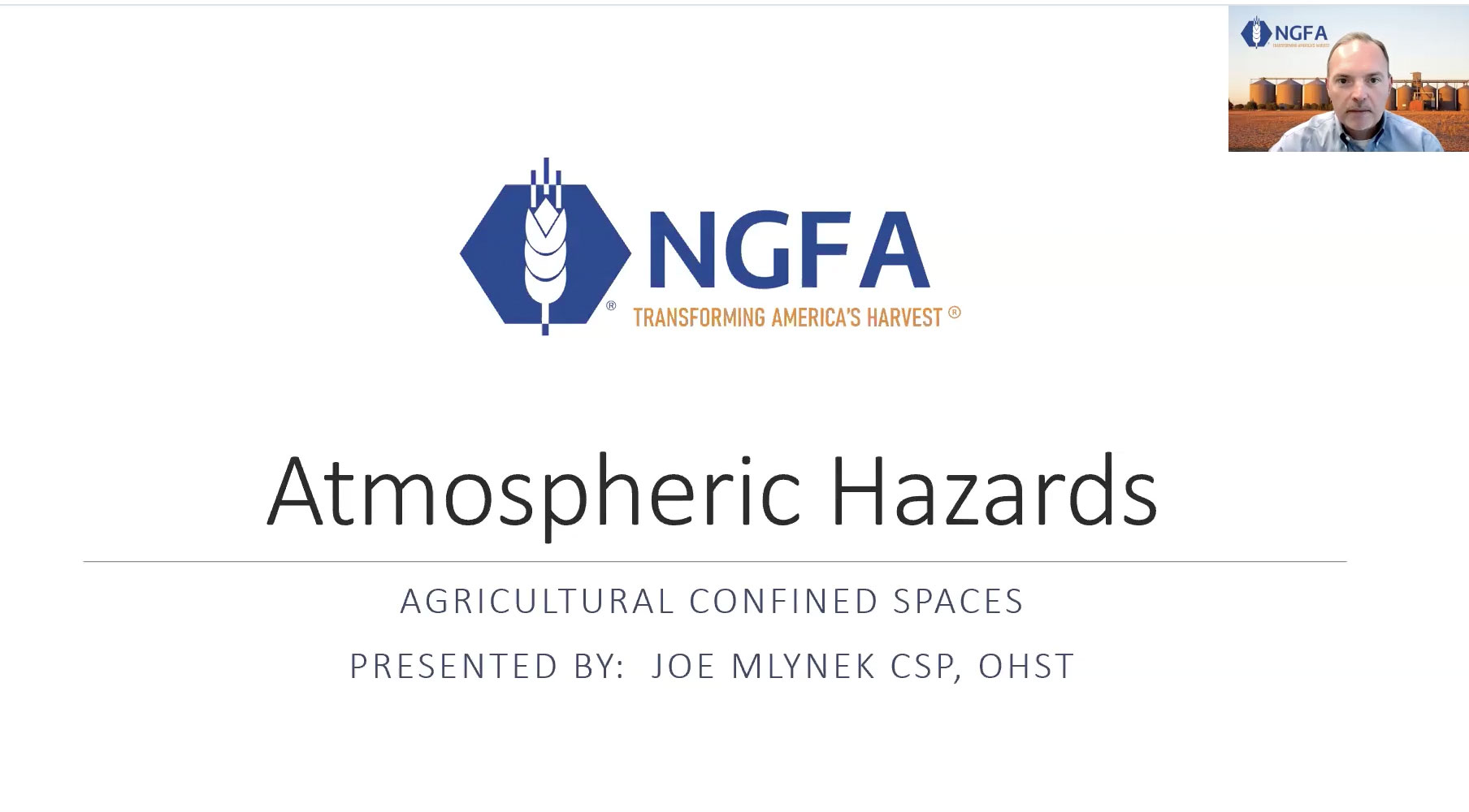
Joe Mlynek, a partner at Safety Made Simple, presented for the National Grain and Feed Association (NGFA) webinar series on June 18th, 2024. He discusses the hazardous environmental risks associated with agricultural confined spaces in this video link. His insights are invaluable for anyone involved in agricultural operations or safety management.

Resources

For more educational resources on grain safety and agricultural confined spaces, visit the National Grain and Feed Association‘s safety page at ngfa.org/safety. Safety Made Simple subscribers can register for the hazardous atmospheres in confined spaces course by clicking here. This session focuses on atmospheric hazards in confined spaces. By the end of this course, participants will be able to recognize the effects of oxygen deficiency on the body, identify common atmospheric hazards and their health effects, and apply safe practices for atmospheric testing and ventilation in confined spaces.

Together, with the NGFA, we prioritize safety in agricultural operations. Stay informed about the latest safety practices and resources to protect yourself and your team. Together, we can mitigate risks and create a safer working environment.